Start with what you want from the visit
Your first sports massage does not require athletic credentials or a detailed understanding of anatomy. A useful starting point is simply explaining what you do and what you hope will feel different afterward. You might lift several days a week, spend long hours at a desk, or notice tired legs after walking San Francisco's hills.
Choose one or two priorities before your appointment. Perhaps you want attention on your shoulders, a quieter hour in a busy week, or help deciding whether massage belongs in your recovery routine. Specific goals make the conversation easier and give you something practical to evaluate after the session.
Keep expectations realistic
Massage works with the body's soft tissues. Sports massage describes an approach that considers physical activity and the areas you want addressed; it does not mean every technique must be intense. Arch Fitness lists several approaches, including Swedish massage, deep tissue work, trigger point therapy, and assisted stretching. Ask which approach fits your goals and preferences.
Research suggests massage may offer short-term relief for some types of discomfort, but the evidence varies by condition and study quality. One session cannot promise to resolve an injury or explain why a symptom keeps returning. Persistent or unexplained pain deserves assessment by an appropriate healthcare professional.
Bring useful information, not a perfect diagnosis
Be ready to describe your recent activity, symptoms, medical conditions, medications, surgeries, injuries, and any sensitivities to products. Mention areas you want avoided. You do not need to diagnose a muscle or decide on a technique yourself; accurate information helps the therapist decide what is appropriate.
A short note on your phone can keep the important details from getting lost during the conversation. Include when a concern began, what seems to bring it on, and whether you have already received medical advice.
- List your main goal and one secondary priority.
- Note recent training changes and upcoming events.
- Bring relevant healthcare instructions and questions.
You stay in charge of your comfort
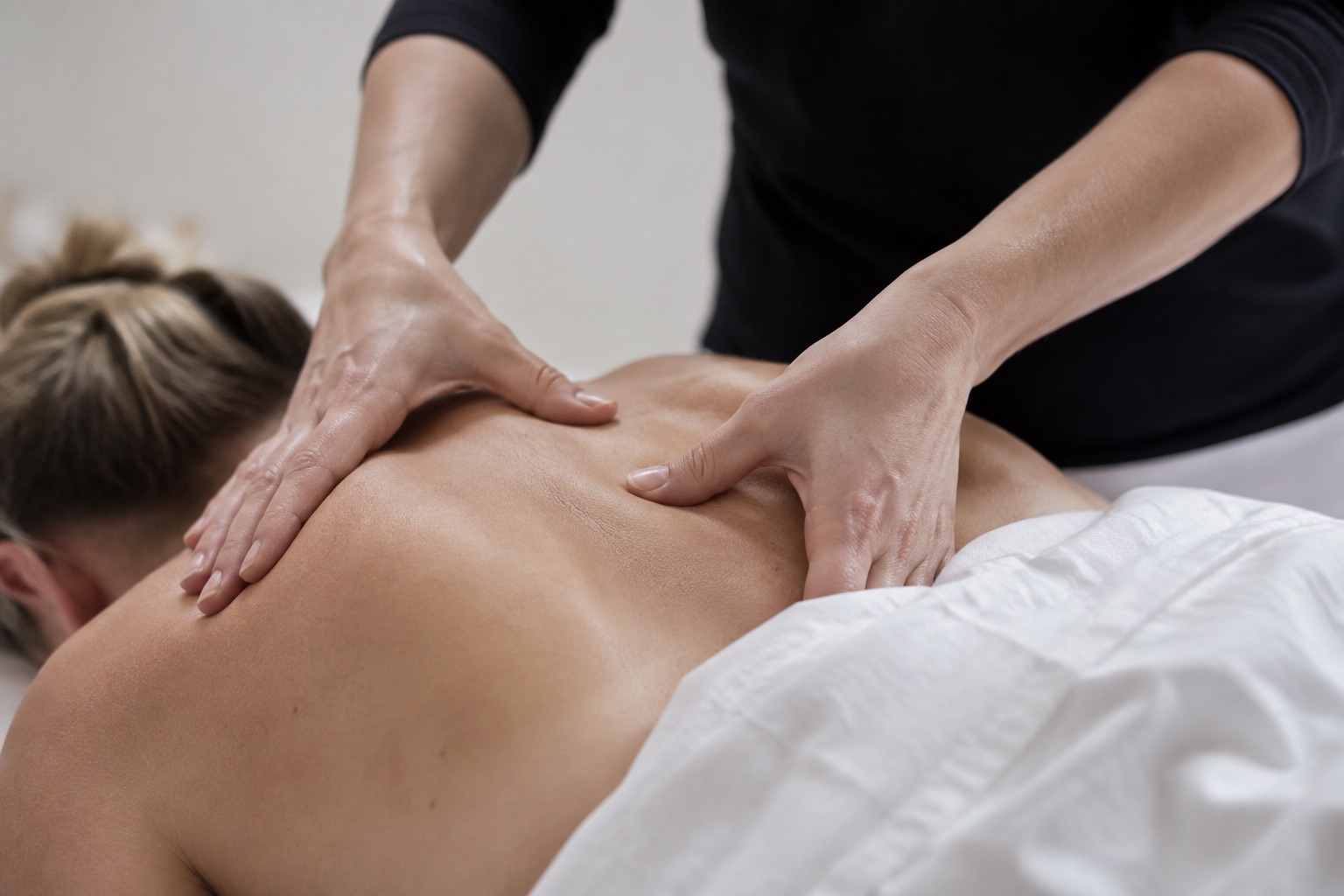
A professional massage should include an explanation of the planned techniques and a chance to ask questions. You can request a change, decline work on a particular area, or stop the session. Consent remains a conversation throughout the appointment.
For table massage, undress only to your comfort level. You should have privacy while changing and appropriate draping during the session. Ask beforehand if you prefer to remain clothed so the therapist can explain suitable options. Music, conversation, temperature, and positioning are also reasonable things to discuss.
Pressure is something to adjust
Deep tissue work commonly uses slower strokes and firmer pressure, often beginning with lighter work. That description is not a target you need to tolerate. Tell the therapist how the pressure feels as it changes, especially if it becomes uncomfortable.
Simple feedback is enough: request lighter pressure, a different position, or a break. There is no need to wait until the end to mention discomfort. The useful question is whether the approach is comfortable and appropriate for you, rather than whether you can endure the strongest setting.
Mention health concerns before hands-on work
Massage is generally associated with a low risk of harm, but forceful techniques are not appropriate for everyone. If you have a condition that could affect safety, or are unsure whether massage suits a current problem, check with your healthcare professional before booking. Do not use a massage appointment to delay medical care.
Tell Archie if anything has changed since you booked, including a new injury or medical advice. The session may need to be adapted or postponed. Sharing this information early makes it easier to decide on the next step.
Evaluate the visit against your original goal
Before leaving, ask what to expect afterward and whether your planned activity needs adjustment. Describe how you feel rather than assuming that a stronger sensation means a better result. If you are scheduling around a demanding workout or event, discuss that timing in advance.
Over the next day or two, make a brief note about the priority you brought in: comfort at your desk, your usual walk, or how the session felt overall. This is a personal observation, not a diagnosis. It can help you and the therapist decide whether another visit or a different approach makes sense.
Confirm the practical details before you travel
Check the available appointment lengths, current price, cancellation terms, and exact location before reserving. Ask whether the advertised duration includes the intake conversation and changing time, and how early you should arrive. Your appointment confirmation is the place to check arrival instructions.
Explore sports massage at Arch Fitness to take the next step. If your broader goal is building strength and a consistent exercise routine, personal training can be a separate part of that plan.
Sources & further reading
General educational information. Your training and nutrition needs are individual.